Beastfolk Barber Systems Hub
Understand the mirror, the chair conversation, satisfaction, and the evening wrap-up that drives the next shop day.
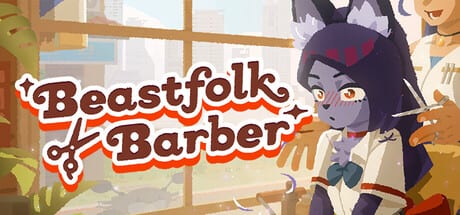
Beastfolk Barber’s charm is narrative, but its spine is systems. Freddie’s shop asks you to spend limited Mysterious Mirror previews, listen while you cut, convert satisfaction into tips and return visits, then harvest clues from an end-of-day social feed. This Systems Hub explains those rules without turning them into soulless spreadsheets. Use it when a mechanic feels fuzzy mid-demo, or when you want vocabulary for discussing the game with friends.
Safe Flight Games, GameWorks Ventures, and SIGONO built a loop where presentation and conversation share the same moment. A haircut is never “just cosmetics.” It is evidence that you heard a customer’s worry. The Mysterious Mirror lets you test looks before committing, but previews are scarce, so observation skill matters. When the day ends, feedback and city posts become tomorrow’s prep. Miss that evening ritual and you will walk into the next shift guessing.
What lives under Systems
Mysterious Mirror — how limited previews work, why reactions matter, and how the mirror ties to Freddie’s late friend and the demon bargain.
Haircuts and conversations — the chair as a dialogue space; species worries; matching the look someone needs rather than the look you prefer.
Tips, feedback & returns — how satisfaction becomes currency for story continuity; how bad cuts can end arcs; how tips signal tone.
End-of-day loop — closing the shop, reading feedback, scanning the social feed, and planning the next morning.
Practical “do this next” articles sit in Guides: How to use the Mirror, Getting Started, Keep customers coming back, and How to read the social feed. Systems pages answer “why”; guides answer “how.” Keep both hubs open while you play the free Steam demo.
How systems support the story
Beastfolk Barber is not a sandbox where every customer is disposable. Return visits continue personal arcs. Satisfaction is the bridge between a good cut today and a deeper conversation next week. That design makes the demon bargain feel earned: you cannot rush a perfect demonic haircut without first proving you can serve mortal beastfolk carefully and gather the resources the offer demands.
When a story stalls, audit systems before blaming the plot. Did you burn mirror previews on vanity experiments? Did you ignore evening posts that hinted at a festival look? Did feedback warn you that a customer felt unseen? The Customers hub helps with personalities; this Systems hub helps with the rules those personalities run on.
Demo versus full game framing
The free demo that launched August 6, 2026 teaches the same pillars advertised for the full TBA release: Mysterious Mirror, haircuts and conversations, life around the barbershop, and keeping customers coming back. Expect the full game to expand calendars, resources, and the demon thread. Do not wait for “final numbers” to learn mirror discipline—the demo already punishes wasteful previews.
Hardware and install questions belong on Download & requirements and the Demo Hub. Scope questions belong on What’s in the demo. Once the client runs, return here whenever a meter, feed, or preview budget confuses you.
Suggested reading order
- Skim this hub for vocabulary.
- Read Mysterious Mirror before a tough customer.
- Pair Haircuts and conversations with live chair time.
- After your first evening, open Tips, feedback & returns.
- Make End-of-day loop a nightly habit alongside How to read the social feed.
- Use Tools for checklists while you experiment.
- Capture opinions in Review only after you understand the systems that shaped those opinions.
Design values to watch for
While you study systems, notice what the game rewards: patience, listening, and reversible curiosity via the mirror—until previews run out. Notice what it punishes: projecting your taste onto a customer, ignoring species context, and skipping the social feed. Those values are the real “meta” of Beastfolk Barber. Guides and tools help you execute; systems literacy helps you enjoy the fantasy without feeling cheated by hidden rules.
If a patch changes preview counts or feed presentation, update your mental model from official notes first, then revisit these pages. This wiki stays unofficial and will lag patches occasionally. The Steam pages for app 4093320 and demo 4920000 remain the source of truth for builds.
Bridging systems to community talk
When you discuss Beastfolk Barber online, precise language helps. Say “I spent my last preview on a fringe length” instead of “the mirror is random.” Say “their feedback said the silhouette felt wrong” instead of “tips are broken.” Systems vocabulary turns vague frustration into actionable next attempts—and that is exactly how Freddie’s shop wants you to grow.
Bookmark this Systems Hub next to the Demo Hub and your favorite guide. Together they cover install, rules, and practice for a narrative barber sim that treats every cut as a conversation worth getting right.
Frequently Asked Questions
Quick answers to the most common questions.
What systems should I learn first?
Start with Mysterious Mirror and Haircuts and conversations, then study the evening wrap-up pages after day one.
Where are step-by-step mirror tips?
Use the guide How to use the Mirror for actions; use the systems page for why previews are limited.
Do systems differ between demo and full game?
The demo teaches the same pillars. The TBA full release should expand scope, resources, and story length—not replace the core loop.
How do tips connect to story?
Satisfaction drives tips, return visits, and continuing arcs. Details are on Tips, feedback & returns.
Where do I go for install help?
Leave systems for a moment and open the Demo Hub or Download & requirements.