Freddie and the Beastfolk Barbershop
A small shop, a listening chair, and a barber learning what people need to see in the mirror
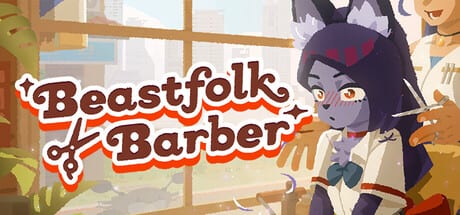
Beastfolk Barber casts you as Freddie, a barber in a city full of beastfolk. The premise is simple to pitch and rich to play: chat with customers, style their look, and help them see something new in the mirror—and in themselves. Safe Flight Games (incubated with GameWorks Ventures) and publisher SIGONO frame the title as a cozy narrative experience; many early write-ups compare the vibe to Coffee Talk with haircuts. This page focuses on Freddie, the shop floor, and the emotional job of the chair so you can play the person before you optimize the systems.
For loops that bring guests back, continue to customer satisfaction. For the darker mirror offer, keep the demon bargain overview nearby but spoiler-light. New players should also skim the Guides Hub, Demo Hub, and Systems Hub. Practical day structure lives in the shop day checklist.
Who Freddie is
Freddie is not a silent avatar. You are the shop’s face: the person who greets, listens, cuts, and closes. Official copy stresses learning what customers like, what they need, and who they want to be. That triad—like, need, become—is the barber’s craft. Some visits are light. Others press on identity, prejudice, and social pressure unique to a customer’s species or community. Freddie’s skill is holding space without turning the chair into a lecture hall.
The Mysterious Mirror—created by Freddie’s late friend—can preview a hairstyle before the first cut. Previews are limited, so Freddie cannot outsource judgment to endless retries. Watching reactions matters. Choosing when to burn a preview is part of caring for the person in the seat, not only chasing a perfect score. Pair this page with the mirror decision helper when you are ready for a decision framework.
Life inside the shop
The barbershop is small on purpose. Intimacy is the design. You are not managing a mall franchise; you are tending a neighborhood ritual. Customers arrive with different challenges: practical cuts, expressive styles, looks that say something they have kept quiet. As you work, conversation opens. Everyday worries surface. Every haircut brings you closer to who they really are—store language that the demo and wishlist page both lean on.
Between appointments, the shop still teaches. When the day ends, you review feedback and scroll the city’s social feed. Local news, festivals, and posts from familiar faces can tip tomorrow’s approach. Freddie’s day is a rhythm: prepare, serve, reflect. That rhythm is why Tools includes day-start / chair / day-end checklists, and why Customers pages treat reflection as character work.
Tone: cozy, honest, a little heavy
Beastfolk Barber aims for warm lighting and honest talk. It is not a slapstick barber minigame. Expect dialogue that sits with belonging, visibility, and pressure. The Coffee Talk comparison is about pace and intimacy, not about copying another studio’s cast. Your scissors are a gameplay verb, but the feelings in the chair are the destination.
Because the full release is still TBA and a free demo went live in August 2026, treat Freddie’s shop as a place you are still learning. Early demo feedback on Steam has trended Positive among a still-small review sample—useful signal, not a final score for the complete game. Play the person first; let metacritic-style certainty wait.
How Freddie relates to the wider city
The store promises that as the story unfolds, a citywide celebration will bring familiar faces back. That promise only lands if Freddie kept those faces feeling seen. Satisfaction is narrative continuity. A bad day at the chair can erase a future chapter you never get to read. A good day books a sequel visit.
Freddie also stands at the edge of a personal subplot: a demon in the mirror, an offer about undoing a past regret, and the long path of gathering what it takes to cut a demon’s hair. That arc hangs over the shop without replacing ordinary customers. Serving people well is how you earn the right to face what you have been avoiding—another line from the official pitch that doubles as a play tip.
Playing Freddie well
Listen before you style. Ask what they want, then listen for what they need. Spend mirror previews when uncertainty is high and stakes feel personal, not when you are merely curious. After closing, read feedback and the social feed like homework for tomorrow’s guests. Use the Customers Hub to navigate related pages, the Review Hub if you are still deciding whether the tone fits you, and the Tools Hub when you want checklists instead of lore.
Freddie’s shop is where Beastfolk Barber’s thesis lives: a haircut is a conversation, and a conversation can change how someone walks back into the city. Keep the chair kind, the mirror honest, and the day reflective—and the rest of the systems start to make sense.
Frequently Asked Questions
Quick answers to the most common questions.
Is Freddie a customizable silent protagonist?
You play as Freddie, the shop's barber, in a narrative-led role. The fantasy is listening and styling for beastfolk customers, not building a blank avatar from scratch.
What makes the barbershop special?
It is a small, intimate space where cuts and chats reveal identity and pressure. The Mysterious Mirror can preview looks, but previews are limited—see the Systems Hub and mirror helper.
Who developed Beastfolk Barber?
Safe Flight Games with GameWorks Ventures, published with support from SIGONO INC. It is Safe Flight's commercial debut after award-noted student work.
Does the shop connect to a bigger story?
Yes. Ordinary customers matter for returns and arcs, and a demon bargain subplot hangs over Freddie's past. Start with the spoiler-light overview.
Where do I learn day-to-day shop habits?
Use the shop day checklist and customer satisfaction alongside this page.
Is the full game out yet?
Full release is TBA. A free demo launched around August 2026 on Steam for Windows and macOS—see the Demo Hub.